
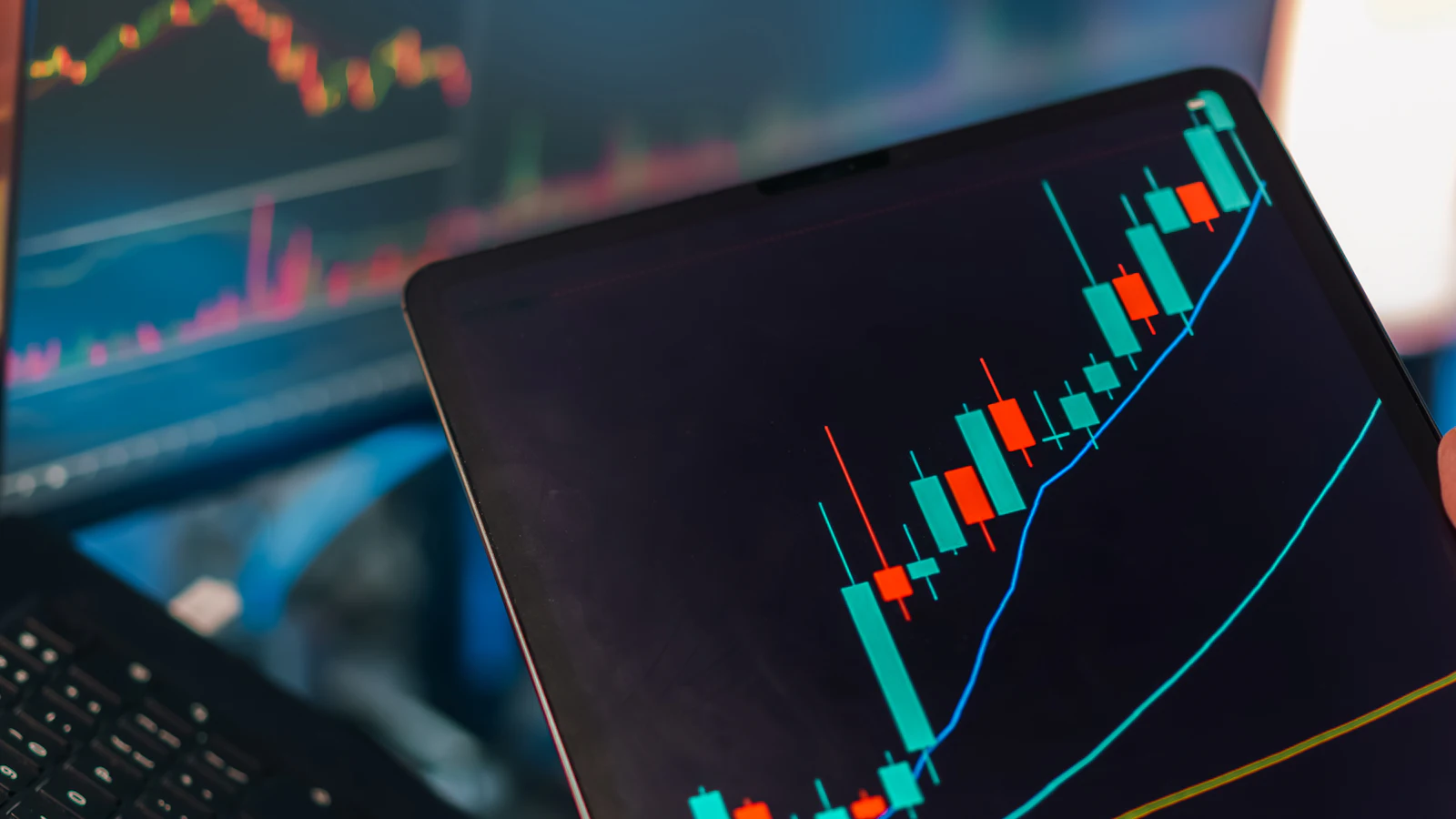
The markets, in one place.
Forex, stocks and ETFs, crypto, and commodities and indices: see what each market is, when it trades and what it costs before you trade.
- Markets
- 4
- Instruments
- 61
- Commission
- No commission
- Leverage
- No leverage
Four markets, one account.
Each market has its own hours and costs. Open one to see every instrument we list and what it costs to trade.
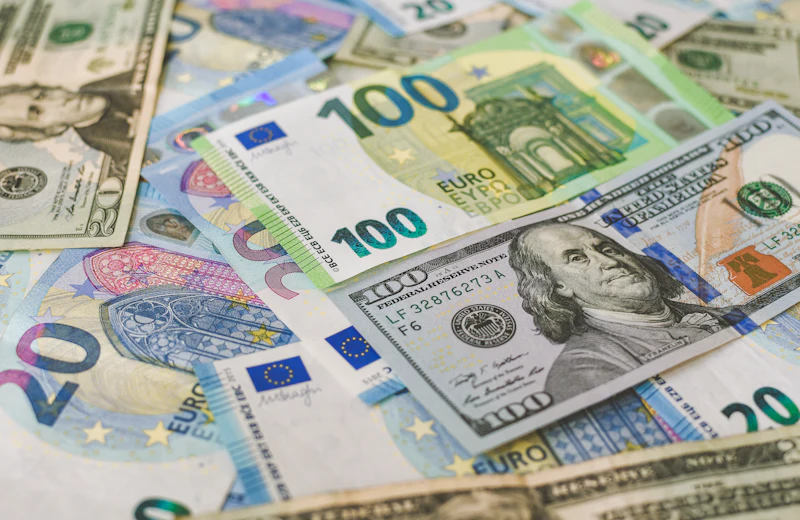 Forex
The world's currencies, from the majors to the most-traded crosses. Prices move with interest rates, inflation and jobs data.
- Instruments
- 16
- Trading hours
- 24 hours, Sunday 22:00 to Friday 22:00
- Typical cost
- Spreads from 1 pip on EUR/USD
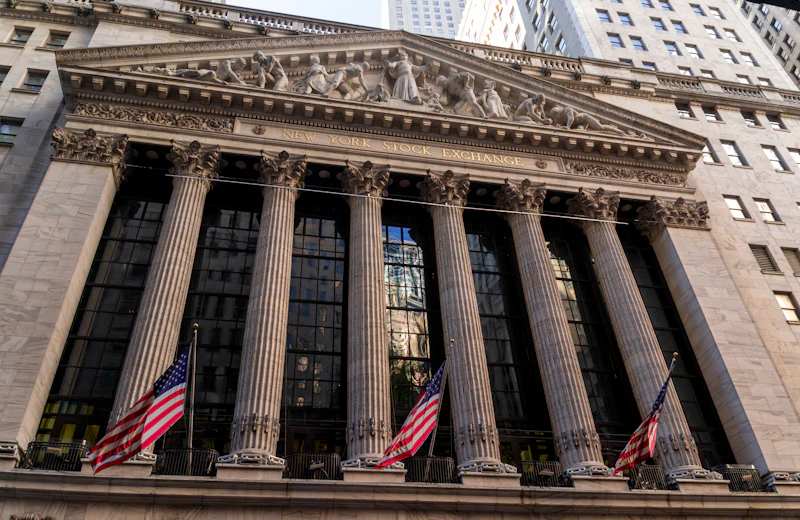 Stocks and ETFs
Large companies from the US, the UK, Europe and Asia, and the exchange-traded funds that track the major indices, with no commission and a spread shown first.
- Instruments
- 15
- Trading hours
- US 14:30 to 21:00; UK and Europe 08:00 to 16:30; Asia overnight; Monday to Friday
- Typical cost
- No commission — spread shown before you confirm
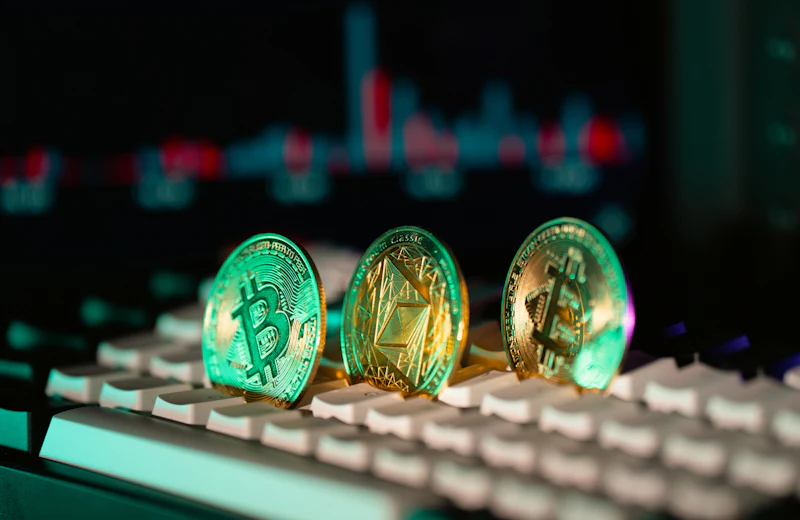 Crypto
Bitcoin, ether and the coins in your wallet, quoted against the US dollar and tether, 24 hours a day.
- Instruments
- 14
- Trading hours
- 24 hours, every day
- Typical cost
- No commission — spread shown before you confirm
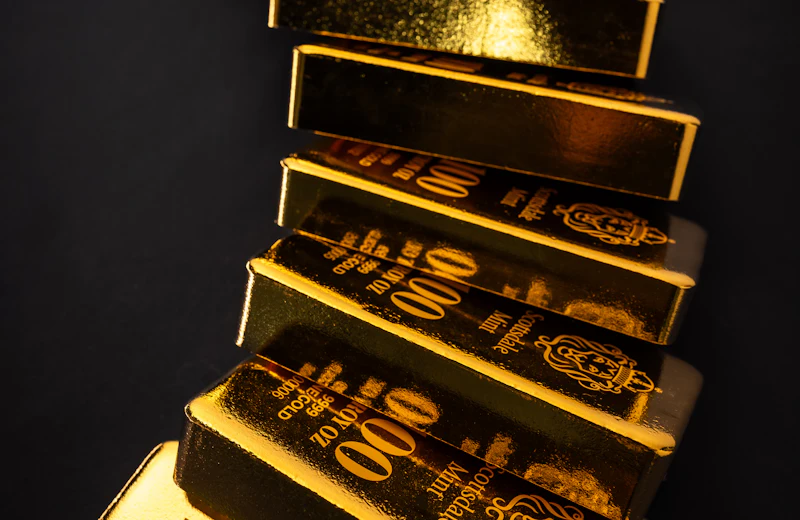 Commodities and indices
Gold, silver, oil and gas, grains and coffee, plus the main world indices, with typical spreads in points.
- Instruments
- 16
- Trading hours
- Metals and energy 23:00 Sunday to 22:00 Friday; grains and coffee and indices in their own hours
- Typical cost
- Spreads from 3.0 points on gold
Watch the markets move.
Choose an asset class to see its lead instrument on a live chart. The prices are indicative and shown for information only.
Live chart: XAU/USD. Prices are indicative and may be delayed.
The trading day, market by market.
The four markets keep different hours. Each bar is a 24-hour day in UK time, and the gold stretch is when that market trades. Weekends, exchange holidays and clock changes move these hours, and the platform shows the current session for each instrument.
-
Forex Sunday 22:00 to Friday 22:00
-
US shares and ETFs 14:30 to 21:00, Monday to Friday
-
Crypto 24 hours, every day
-
Metals and energy Sunday 23:00 to Friday 22:00, daily break 22:00 to 23:00
-
US indices 14:30 to 21:00, Monday to Friday
-
UK and European indices 08:00 to 16:30, Monday to Friday
-
Nikkei 225 00:00 to 06:00, Monday to Friday
-
Hang Seng 01:30 to 08:00, Monday to Friday
London and New York overlap, 13:00 to 16:00
When a market is closed
Outside its trading hours a market has no new prices. The price on screen is the last close. It can still be traded for a short while after the close, until the price we hold is older than the market accepts: 2 minutes for most markets, and a little longer for the markets whose free data arrives late (the delay of that data plus 2 minutes). After that, buying and selling are refused until the market opens and the price updates.
How a trade works here.
Four steps, the same in every market. Nothing is borrowed, and the price you see is the price you trade at.
-
Pick an instrument and read its two prices
Every instrument shows a buy price and a sell price. You buy at the higher one, the ask, and you sell at the lower one, the bid. The gap between them is the spread, and it is the only thing a trade costs: there is no commission.
-
Choose how much to buy
Enter an amount. The smallest buy order is $10. It is paid from the money in your account, so nothing is borrowed and there is no leverage. Real-money trading needs an approved identity check; the demo balance does not.
-
Confirm, and the order fills at the live price
A market order fills straight away at the live price: a buy at the ask, a sell at the bid. If the price has moved against you by more than twice the spread since you last looked, the order stops and asks you to check the new price, so you never fill at a price you were not shown.
-
Sell to close
You close a position by selling what you hold. You can only sell what you own, so the most a position can lose is what you put into it. Limit and stop orders are there too: they wait until the price reaches the level you set.
- No leverage
- You trade with your own money only. You can lose what you put in, not more.
- No stale prices
- Every market has a limit on how old a price we take. For most it is 2 minutes. A few use free data that arrives late, such as shares outside the US, futures and some indices: they take a price up to that delay plus 2 minutes old, so you trade at the late price the screen shows, and the screen says how late it is. If the latest price we hold is older than the market's limit, it is treated as closed and the order is refused with this message: "This market's price is delayed or the market is closed, so it can't be traded right now."
- Price protection
- A market order is refused if the fill would be worse than the price you confirmed by more than twice the spread. A better price is fine.
- Practise first
- Every account comes with a $100,000.00 demo balance. Demo money is separate from real money.
Each market page explains its own hours, costs and risks. For anything else, the help centre has more.
Questions about the markets.
What does it cost to trade?
There is no commission. The cost of a trade is the spread, the gap between the price you buy at and the price you sell at, and it is shown before you confirm. The most-traded forex pair, EUR/USD, starts at 1 pip.
Is leverage available?
No. You trade with the money in your account and nothing is borrowed, so you can lose what you put in, not more.
Why can't I trade an instrument right now?
Its market is probably closed. Outside trading hours the price on screen is the last close, and once the price we hold is older than the market accepts (two minutes for most markets, and a little longer for the ones whose free data arrives late), orders are refused until the market opens and the price updates. The trading-day chart above shows each market's hours.
Can I practise before I use real money?
Yes. Every account comes with a demo balance, separate from real money, and you can trade the same instruments on it. Real-money trading needs an approved identity check.
Which market should I start with?
That depends on when you can watch the screen and how much movement you are comfortable with. Each market page explains what moves it, its hours and the risks, and the demo balance lets you try one before you commit money.
Open an account to trade the markets.
One account for forex, stocks and ETFs, crypto, and commodities and indices. Trading is unleveraged: you can lose what you put in, not more.